

| The US stock market’s longest streak of tranquility since before the Covid-19 pandemic is over.
Concerns about the sustainability of the artificial-intelligence trade coupled with a report showing the fastest increase in consumer prices since April pushed the S&P 500 Index down 1.1%. That ended the gauge’s 53-session streak without a 1% decline, the longest stretch since January 2020. The sharp reversal in momentum vexed computer-driven quant funds, which have spent weeks snapping up stocks amid a steady lull in volatility. Weakness in technology megacaps that have fueled the four-year bull run in the S&P 500 added to the risk-off tone across markets, fueling worries that more losses could be in store for the benchmark gauge that’s added $13 trillion in market value since late March. A closely watched index of semiconductor stocks fell for a sixth consecutive day, extending its drop during that time to almost 12%. ALSO READ | Stock Market Today: All You Need To Know Going Into Trade On Oct. 15 S&P 500 futures were little changed as of 6:02 a.m Hong Kong time, while those tracking Nasdaq 100 fell 0.1%. “Some of the more extended stocks, such as the chipmakers and AI-infrastructure stocks, are having some of the wind taken out of their sails,” said Chris Zaccarelli, chief investment officer at Northlight Asset Management, adding that the inflation numbers fueled concern about more interest-rate increases by the Federal Reserve. “The market was hoping September would be a one and done and this morning’s data makes that scenario much less likely.” 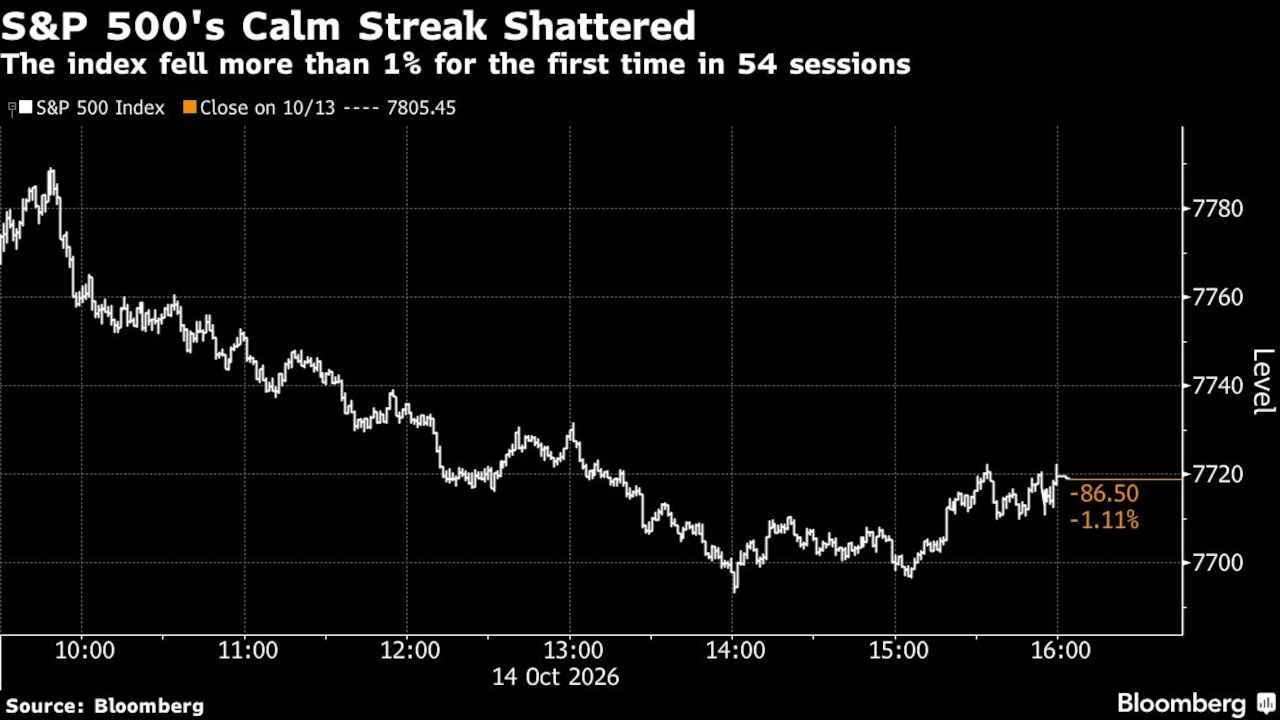 Official data on Wednesday showed consumer prices rose 0.6% in September from a month earlier, the fastest level since April, reinforcing expectations for future rate hikes even if the Fed pauses in October. The rate-sensitive Russell 2000 Index of smaller companies fell 1.9%, extending its decline from a peak in August to 11%. Equities continued selling off even as Treasury yields retreated from their highs of the day set after the CPI data. Adding to angst in the market was concern about corporate bonds issued by AI cloud-computing provider CoreWeave Inc., which have plunged to levels that typically indicate distress. The company’s unsecured debt due in 2032 traded below 80 cents on the dollar on Wednesday, according to Trace pricing data. That’s widely considered the threshold for when a borrower is financially strained. Its shares sank 15%. “Days we were worried about the credit issues, the tech stocks were doing fine, and the days we were worried about the tech stocks, we’re getting relief from the credit issues,” said Matt Maley, chief market strategist at Miller Tabak + Co. “Today they’re both hitting at the same time.” Most of Wednesday’s pain was concentrated in technology stocks. The Nasdaq 100 Index plunged 2% in its worst day since July, while the Magnificent Seven Index of technology high-flyers lost a similar amount. Apple Inc. was the only Mag Seven name to end the day higher, rising 0.5%. “We have already seen semis fall with rates, but should we finally see the Mag 7 fall with rates, that would add conviction to our call for a ‘Red October,'” said Jonathan Krinsky, chief market technician at BTIG. 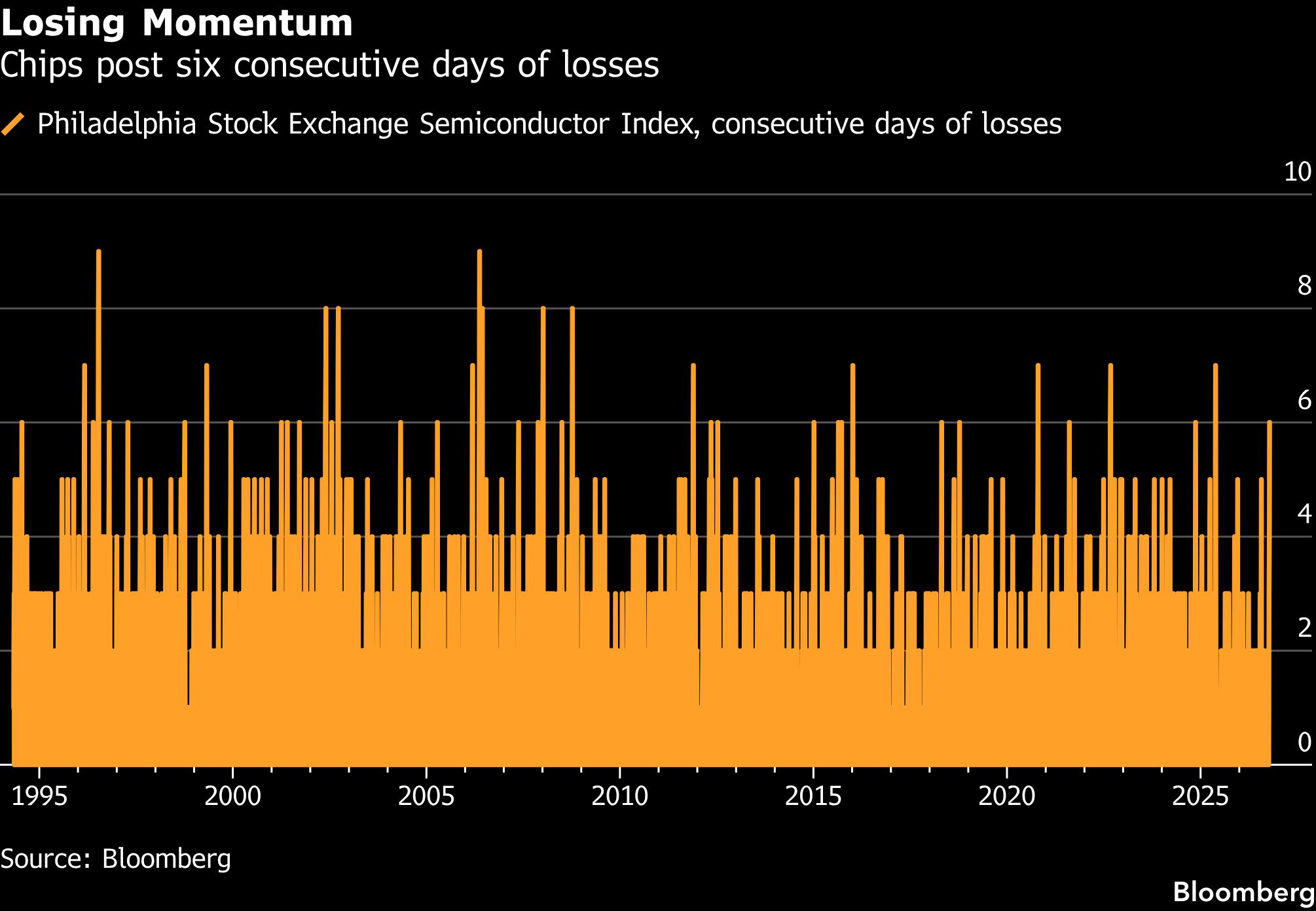 Even after Wednesday’s decline, the S&P 500 is sitting just 1.3% away from its last record clocked last week. The Cboe Volatility Index, or VIX, is trading near 17, below the 20 level that typically signals stress in the market. The good news for equity bulls is that so-called discretionary money managers, who focus on economic growth and the strength of earnings and who have been sitting out a record-breaking stocks rally for weeks, may be tempted to wade in if the selloff continues. 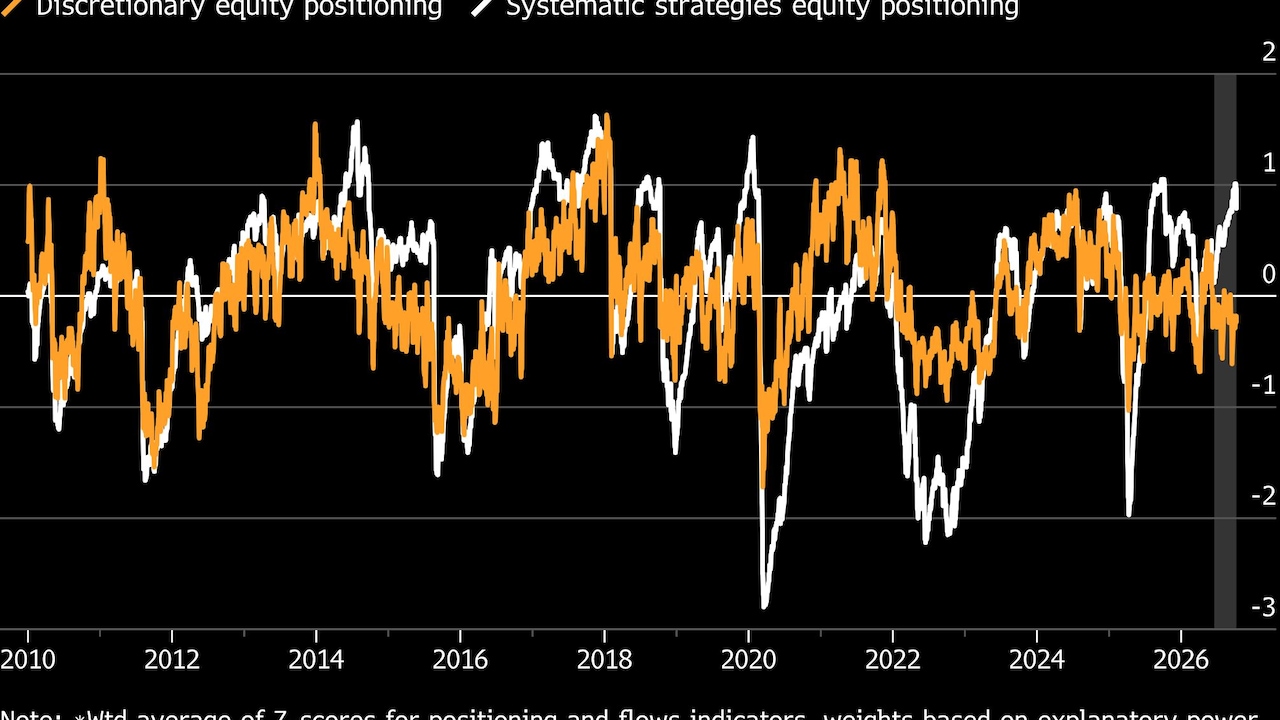 Worries around everything from lofty Treasury yields to the war in Iran have pushed discretionary investors’ stock exposure to the bottom-third of the range, data compiled by Deutsche Bank AG show. The gap between discretionary and rules-based funds reached the second-widest since 2020, according to the bank’s data. |
(This story has not been edited by NDTV staff and is auto-generated from a syndicated feed.)