

India’s mighty ‘Baahubali’ rocket is poised to make history as the Launch Vehicle Mark-3 (LVM3), ISRO’s heavyweight champion, will roar into its eighth mission on Wednesday morning – this time carrying BlueBird 6, a next-gen communications satellite from US innovator AST SpaceMobile. The goal? To beam broadband straight from space to ordinary smartphones, no special gear required.
The ISRO has taken a cautious approach and decided to delay the launch of the Launch Vehicle Mark 3 M6 flight by 90 seconds. It was earlier slated for lift off at 8.54 am from Sriharikota and the new time is 8 hours 55 minutes and 30 seconds. The countdown continues for the launch of the rocket.
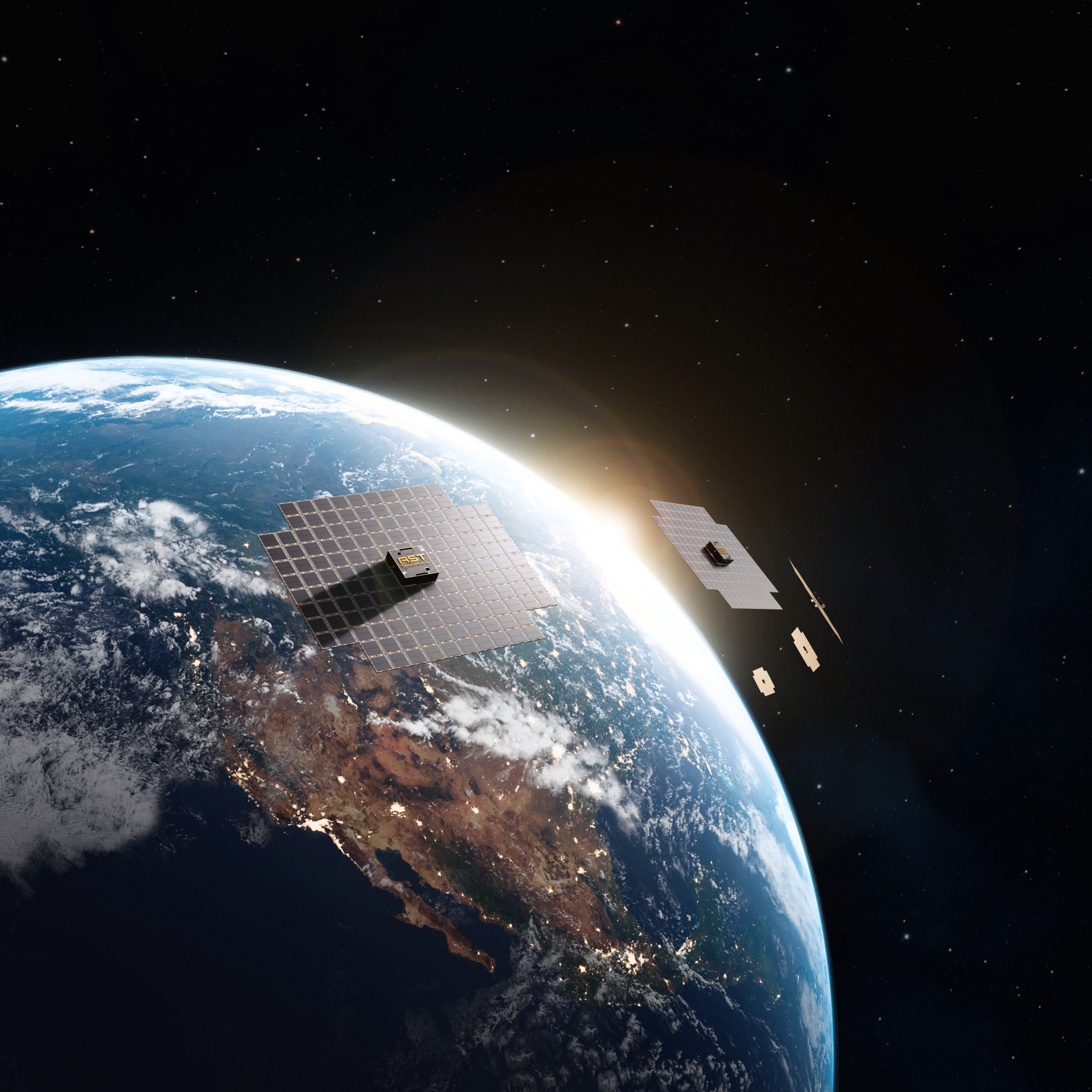
Add image caption here
Here’s all about the rocket:
- BlueBird 6 weighs nearly 6,100 kg, making it the heaviest payload ever launched by an Indian rocket. “This is the heaviest satellite lifted by our launch vehicles from India,” ISRO Chairman V Narayanan told NDTV.
- Standing 43.5 meters tall and weighing 640 tonnes, LVM3 – nicknamed ‘Baahubali’ – is India’s most powerful rocket, capable of lifting 4,200 kg to GTO and even more to LEO.
- LVM3 boasts a 100 per cent success rate across seven missions, including the historic Chandrayaan-3 lunar landing in 2023, cementing India’s reputation for reliability.
- This launch, designated LVM3-M6, marks the rocket’s eighth flight and third dedicated commercial mission, underscoring India’s growing role in the global launch market.
- The satellite features a phased array antenna spanning 2,200 metre square (2,400 ft square) – the largest ever deployed in Low Earth Orbit – delivering 10 times the data capacity of its predecessors.
- Unlike Starlink or OneWeb, AST SpaceMobile’s technology connects directly to everyday smartphones, eliminating the need for special terminals or ground stations.
- The mission signals India’s entry into the high-stakes commercial launch arena, competing against giants like SpaceX, Arianespace, and Roscosmos for a share of the multi-billion-dollar global market.
- The Texas-based company aims to deploy 45-60 satellites by end-2026, enabling ubiquitous 5G broadband from space and bridging the global digital divide.
- Despite the launch, satellite-based internet remains unlicensed in India, raising questions about future policy shifts amid concerns over security and spectrum allocation.
- If successful, the mission will redefine connectivity, allowing smartphones to connect directly to space, transforming communication in remote regions and disaster zones.